
How to Prevent the Occupation of an Empty Home
Illegal occupation
The most effective way to stop an empty home being occupied is for it not to look empty. Almost every occupation starts the same way: someone watches a home with no activity for a few days, checks that nobody reacts, and gets in. So prevention rests on three simple ideas: making it obvious that someone is keeping an eye on the property, making it hard to get in, and, if it does happen, being able to react in hours rather than weeks. Below are the measures that work best, adapted to the three most common cases: the second home, the inherited property and the flat left empty between two tenants.
Why it matters so much that the home looks lived-in
As well as putting people off, a property with signs of use puts you in a stronger position should something happen. As we explain in trespass or unlawful occupation, it isn't the same for your dwelling to be occupied as for an unused property: the legal response is different. A furnished home with utilities connected that you visit often has a better chance of being treated as a dwelling than an empty flat with the meter disconnected. Keeping the home "alive" doesn't just prevent the problem: it also helps you resolve it.
Measures that show signs of use
- An empty letterbox. A letterbox overflowing with flyers is the clearest sign of neglect. Ask a neighbour or relative to empty it, or redirect your post.
- Lights and blinds. Timers or smart plugs that turn lights on at different times, and blinds that aren't always left in the same position.
- Utilities connected. Keep water and electricity connected even if you use very little. Besides the appearance of use, this lets you run alarms and cameras, and provides proof of use.
- A tidy garden and façade. In bungalows and detached houses, long grass or leaves piled up at the entrance give away that nobody's been by.
- Regular visits. Visit, or have someone visit, regularly and on different days. A fixed routine is easy to spot.
Physical measures: make getting in harder
- Door and lock. A security door or, at the very least, a good-quality lock resistant to the most common break-in techniques. If you're not sure how many copies of the keys are in circulation, change it.
- Secondary access points. Low windows, patio doors, roof terraces and garages. Bars, interior bolts or shutters where reasonable.
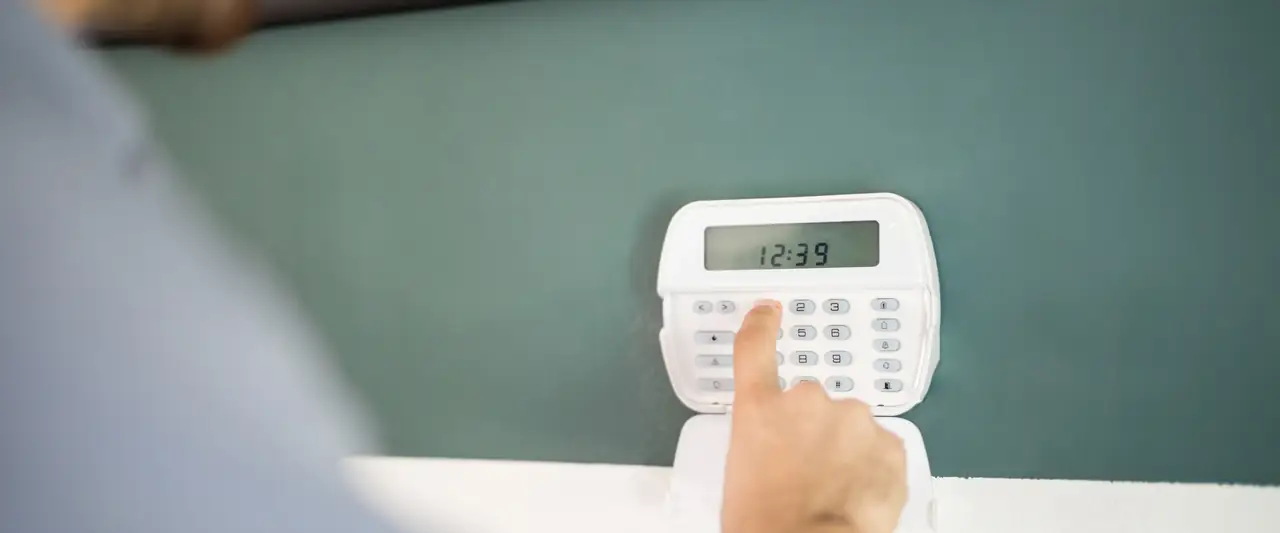
- A connected alarm. An alarm that alerts a monitoring centre or, at the very least, your mobile phone, lets you know at the time and call the police while the break-in is happening.
- Cameras. Useful as evidence, as long as they only cover your own property and comply with data protection rules. If in doubt, check before installing them.
- Sensors and home automation. Opening detectors on doors and windows that send an alert to your phone. They're cheap and work even if you're on another island or on the mainland.
The network of people: neighbours, the community and acquaintances
The best alarm is still an attentive neighbour. Leave your phone number with one or two neighbours you trust and ask them to let you know if they see anything unusual: people going in with mattresses, a lock that's been changed, lights on at odd hours. In an apartment building, tell the chair of the homeowners' association or the managing agent that the property will be empty for a while. If there's a caretaker, let them know too.
That same neighbour can later be a valuable witness that the property is in use, and of when the occupation began.
Second homes
In Tenerife it's very common to have a flat in the south, the family home in the north, or a property on another island that's only used in summer and on some long weekends. These are the ones that stand empty the longest and need the most attention.
- Leave the property furnished and with personal belongings, not stripped bare.
- Spread your visits throughout the year, not just during peak season.
- If you let it out seasonally, remember that changes the risk and probably the policy: we cover this on the holiday let page.
- Check whether your home insurance treats a second home the same as your main one. Often it doesn't.
Inherited properties
These are the most vulnerable, because they tend to end up in no-man's-land while the inheritance is being settled. Several heirs, each in a different place, and nobody who feels responsible for going to check on it.
- Appoint someone responsible. Even if the property belongs to several people, have one person handle visits, the keys and contact with neighbours.
- Don't disconnect the utilities in a rush. Change them into a new name when you can, but keep them connected.
- Review the insurance. The deceased's policy may still be in force, but it's worth notifying the insurer of the change in circumstances and updating who the policyholder is.
- Gather the paperwork: title deeds, council tax (IBI) receipts and proof of the heirs' status. If you need to file a report, having everything to hand saves time.
- If ownership is complex, title insurance gives you another way to protect yourself against claims on the property.
Flats between one tenant and the next
The moment of greatest risk for a rented property isn't while it's let, but when it becomes vacant. And the longer that period drags on, the more exposed it is.
- Change the lock as soon as you get the keys back. You don't know how many copies were made.
- Arrange viewings for prospective tenants yourself or through a trusted agency, and don't leave keys hidden by the entrance.
- If you're carrying out work, don't let it look abandoned: lock it up properly every day.
- When you sign with a new tenant, consider rent guarantee insurance, which covers a different risk: that of a tenant who stops paying.
Properties for sale
A "For Sale" sign in a shuttered window tells everyone the house is empty. If you can, advertise it without a physical sign, or combine it with signs of use. Keep track of who has keys and ask the estate agency to tell you about every viewing.
Common mistakes
- Assuming home insurance covers it. Many policies don't provide for occupation, or limit it to your main home.
- Not telling the insurer the home will be empty for a long time. This can be treated as an increase in risk, and failing to report it can affect a claim, not just for occupation, but also for theft or a water leak.
- Cutting off all the utilities to save money. The home looks abandoned and you lose proof of use.
- Hiding a key under a plant pot or in the meter cupboard. It's the first place anyone looks.
- Not having your paperwork to hand. If it happens, every day it takes you to prove the property is yours counts against you.
Checklist before leaving a property empty
- Lock checked or changed, and copies of the keys accounted for.
- Alarm or sensors with mobile alerts, tested.
- Light timers installed.
- Utilities connected and bills set up on direct debit.
- A trusted neighbour with your number and a relative's.
- Letterbox emptied or post redirected.
- Recent, dated photos of the inside and outside.
- Title deed, receipts and policy saved digitally.
- Insurer notified of the vacancy period, if it's a long one.
- Policy reviewed: what it covers if the property is occupied, and under what conditions.
If it happens despite everything
No measure is foolproof. If you discover your home has been occupied, don't force your way in or cut off the utilities: call the police, report it, gather evidence and notify your insurer. We explain it step by step in illegal occupation: trespass or unlawful occupation, and what to check in your home policy has the questions worth asking your insurer before you ever need them.
How we help you at Retuerto y Asociados
We review your home insurance and tell you what happens to your property while it's empty: whether it covers occupation, whether it treats a second home the same way, what needs to be reported to the insurer, and what's worth adding. You'll find all the detail on our protection against illegal occupation page, and if you'd like us to look at it with you, request your free quote.
Do you have a specific question we can help with?
Write to us and we'll answer in plain language.