

Tenant insurance
Protects your belongings and your liability when you live in a home that isn't your own.
Who this insurance is for
For tenants
Flats, apartments or houses rented as your main home, whether you live alone or with family. The building belongs to the landlord, but the furniture, clothes and appliances are yours.
What the landlord's insurance doesn't cover
The landlord's policy protects their property. Your belongings and any damage you cause to others are usually left out, and that's the gap this insurance covers.
Peace of mind towards third parties
A leak that soaks the downstairs neighbour or a careless accident that damages the rented flat can end in a claim. Liability cover is the key piece.
What's worth checking before you take out cover
The specific cover and its limits depend on the insurer and the option you choose. At Retuerto y Asociados we put it in writing before you decide.
Your contents
Check that the policy insures your contents (your own furniture, appliances, clothes, equipment) rather than the building itself, which is the landlord's responsibility.
Liability cover
Ask whether it includes liability towards your neighbours and towards the landlord for any damage you cause to the property, and what the limit is.
Water damage
Check how the policy handles water leaks: damage to your belongings, tracing the leak, and damage to third parties usually appear as separate sections.
Theft
Ask whether it covers theft inside the property and, where relevant, outside it, and what security measures the insurer requires to pay out.
Home assistance
Check whether it includes an emergency call-out service for locksmiths, plumbing or electrics, and who pays for the repair when the fault lies with the property itself.
Legal expenses cover
Ask whether legal expenses cover extends to disputes arising from the tenancy agreement, such as the return of the deposit, or whether it excludes them.
How it works
Tenant insurance is, in practice, a home insurance policy taken out purely for the contents. Instead of insuring walls, floors and fixed installations, which belong to the landlord, you insure what you've brought into the property and your liability towards other people.
The first step is to value what you own properly. Go through the property room by room: furniture, appliances you bought yourself, clothes, computer equipment, bicycles, valuables. If you declare less than they're really worth, you may end up under-insured and receive less when a claim arises.
Next comes liability cover. For a tenant, this is the most important element, because it covers damage you cause to your neighbours and, depending on the policy, also damage you cause to the landlord's property. If you already have a separate liability policy, we check that the two don't overlap.
At Retuerto y Asociados we compare several insurers, check whether your tenancy agreement requires any specific insurance, and give you a written summary of what each option covers before you sign.
What's worth knowing
Your landlord's insurance and yours aren't rivals: they complement each other. The landlord insures the building or the property; you insure your belongings and your liability. If there's a claim, each policy responds for its own part, so it's worth both you and your landlord knowing what the other has in place.
Don't confuse this with rent guarantee insurance. That's taken out by the landlord to keep receiving the rent if the tenant stops paying; it doesn't protect your belongings or defend you.
Nor does it cover normal wear and tear on the property, or any damage disputed when you hand back the keys: that's settled through the inventory and the deposit. We explain this in detail in our article on the deposit and damage when you leave a rented flat.
If you live in a block of flats, the owners' association has its own community insurance for the shared areas. That doesn't protect what's inside your home either.
Frequently asked questions
Doesn't the landlord's home insurance cover me?
It usually doesn't cover your belongings, and the liability cover it includes is normally the landlord's, not yours. It depends on how their policy is worded, so it's worth asking, but as a rule you'll need your own insurance.
Can the landlord require me to take out insurance?
It's common for tenancy agreements to include this clause, particularly for liability cover. Check what your contract says and, if you're unsure about its validity, consult a legal professional. We can help make sure the policy meets what the contract requires.
What happens if a leak in my flat damages the downstairs neighbour?
It depends on where the leak started and which policies are involved. If you're the cause, your liability cover would respond; if it's an installation belonging to the building or the property, it may fall to the landlord's or the community's insurance. We explain this in the article on damage to a neighbour.
Does it cover my belongings if I'm robbed away from home?
Some home insurance options include theft away from the property and others don't. If you carry a laptop, phone or camera with you every day, ask about this before taking out cover and check the limit.
What if I share a flat with other people?
It needs to be clear who the insured party is and which belongings are covered. Not all insurers treat shared flats the same way, so we'll show you which option fits and what's left out.
Can I take my insurance with me if I move flat?
In many cases the policy can simply be updated with your new address. Let us know before you move so we can check whether the terms or the price change for the new property.
Related articles

Tenant home insurance: what's yours to insure
What the landlord's policy protects, what's left out, and what's worth insuring yourself.
Read
Deposit and damage when leaving a rented flat
Inventory, normal wear and tear versus damage: how to hand back the flat without conflict with the landlord.
Read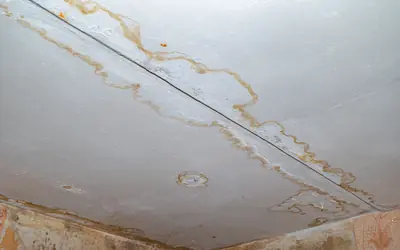
Tenant liability: damage to a neighbour
A leak in your flat soaks the downstairs neighbour: who pays and which insurance responds.
ReadWhat an Insurance Broker really is
The broker is the expert who mediates between the insurance company and the client, representing the insured party and their interests, rather than the insurer alone.
We're the only professionals legally qualified and authorised to advise with strict independence and impartiality from insurance companies.
- We compare the marketAdvice based on an objective analysis of policies from a sufficient number of insurance companies.
- It costs you nothingThe broker is paid by the insurer in the form of commissions. As a rule, the service costs the client nothing.
- We take care of everythingFrom taking out the policy through to the claim, should one arise.
- We defend your interestsBefore the insurer, just as a solicitor would.
Other insurance for individuals

Home
Water damage, glass breakage, fire, weather events, electrical faults, breakdowns and theft.
View insurance
Liability
Compensation for bodily injury, material or financial damage caused to third parties.
View insurance
Legal Expenses
Ensures the defence of your interests, advances compensation and provides telephone legal assistance.
View insurance
Rent Guarantee
You keep receiving the rent even if the tenant stops paying, with legal proceedings and damage covered.
View insurance
Communities
Protects the building of the owners' association: structure, the building itself and liability.
View insurance
Holiday Rental
Holiday-let properties carry risks that an ordinary home policy doesn't cover.
View insuranceWhat people tend to believe, and what actually happens
Five ideas we hear often that turn out costly the day there's a claim.
«Going it alone works out cheaper.»
The broker doesn't cost you anything: they're paid by the insurer. And they compare several companies at once that you'd otherwise have to approach one by one.
«All policies are the same.»
Two policies at the same price can have very different limits, excesses and exclusions. What matters is what the terms and conditions say on the day of the claim.
«The broker works for the insurer.»
The broker represents the insured and their interests. It's the insurance agent who represents the company, and that's a different role altogether.
«If I have a claim, I'll sort it out myself.»
How the claim report is opened and documented shapes everything that follows. We handle that for you, and the claim itself too.
«Switching insurance is a hassle.»
We manage it for you, including cancelling the previous policy in time so it doesn't renew automatically.
«The compulsory insurance is enough for me.»
The legal minimum covers what you cause to third parties, not what happens to you. That's the difference between a scare and a real problem.
Shall we prepare a tenant insurance quote for you?
Tell us about your situation and we'll send you a comparison of the best options on the market — the best support for the right decision.
- No obligationWe give you the price and the cover; you decide.
- No costAs brokers, we're paid by the insurer, not by you.
- Fast responseDuring office hours, usually the same day.
What questions do you have?
We'll get back to you with a tenant insurance quote and a tailored comparison.
Can’t see the form? Open it in a new window.
Would you rather talk? Call us on 922 235 203 or message us on WhatsApp at 667 420 381.