
Tenant liability: damage to a neighbour
Renting a home
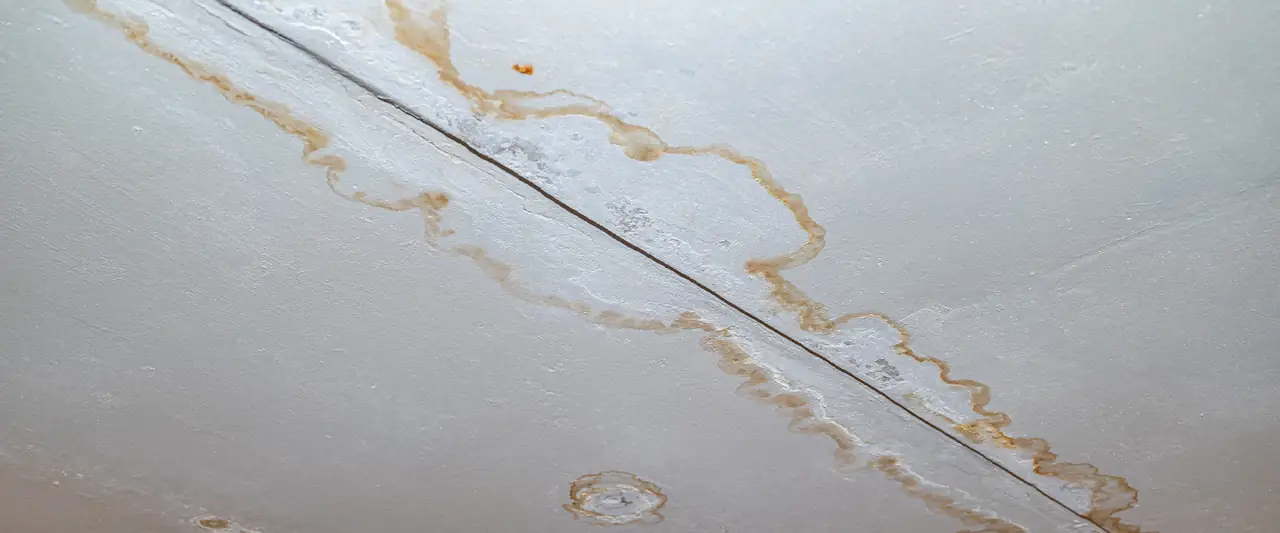
It's eleven at night and the doorbell rings: it's the neighbour from downstairs, with a damp patch spreading across their bathroom ceiling. You rent your home, and the question is immediate: who pays for this, you, the flat's owner, or the residents' association? The answer mostly depends on where the water started and why. In this article we explain how liability is shared out, which insurance usually responds in each case, and what you should do from the very first minute.
First things first: stop the water and document everything
Before thinking about insurance, you need to limit the damage. The longer the water runs, the more expensive it gets for everyone, and the harder it is for anyone to argue that reasonable care was taken.
- Turn off your stopcock. If you don't know where it is, find out today, not on the day of a leak.
- If there's water near sockets or appliances, cut the power at the fuse box.
- Take photos and video of your home and, if the neighbour allows it, of theirs: the source of the leak, the path the water took, and the visible damage.
- Notify the landlord in writing, as well as calling them. It's their property and they need to know.
- Report the claim to your insurer or your broker, and ask the neighbour to report it to theirs.
- Don't admit fault or agree to pay anything on your own. Cooperate, exchange details, and let the insurers assess the cause.
If the neighbour has home insurance, their insurer will normally repair their damage and, where appropriate, then claim back from whoever they consider responsible. That's why it's so important for the cause to be properly documented.
Who is liable depending on where the leak started
In practice, insurers ask themselves one question: did the water come from something that's the tenant's responsibility, the property's, or the building's? As a general rule, whoever causes damage to another through fault or negligence is obliged to make it good, and that obligation is what liability cover insures.
| Source of the water | Who is usually held responsible | Which insurance usually responds |
|---|---|---|
| Your own carelessness: a tap left running, an overflowing bath, a sink blocked through misuse | You, as the tenant | Your liability cover, if you have it |
| An appliance of yours: your washing machine, your dishwasher, your fish tank | You, as the owner and user of the appliance | Your liability cover |
| An embedded pipe in the property that bursts through age | The landlord, as the owner of the installation | The landlord's home insurance |
| The main drainage stack or a communal pipe | The residents' association | The community's insurance |
| A fault in the property that the landlord knew about and didn't repair | Open to argument; it matters whether you reported it in writing | Depends on the insurers' assessment |
These are illustrative situations. Each case is assessed on its own circumstances and the terms of each policy, and sometimes several insurers are involved at once.
The case in practice, step by step
Let's go back to the neighbour with the stained ceiling. Suppose there are three versions of the same story.
Version 1: you forgot to turn off the tap
You were running a bath, got a phone call, and the water overflowed. The cause is your own carelessness, so the neighbour's claim is directed at you. If you have tenant insurance or a liability policy that includes water damage to third parties, your insurer takes care of the compensation within the policy's limits, deducting the excess if there is one. Without insurance, the bill is yours: paint, plaster, the neighbour's furniture and, sometimes, more than it first appears.
Version 2: an old pipe in the property bursts
You haven't done anything out of the ordinary, but an embedded pipe in the bathroom gives way with age. The installation belongs to the landlord, and it's normal for their home insurance to respond, both for the damage to their property and for the neighbour's. Your own insurance, if you have it, would cover your own damaged furniture and belongings.
Version 3: the fault had been there for a while
You'd been noticing a stain next to the shower tray for weeks. If you reported it to the landlord in writing and they didn't fix it, that will count in your favour. If you never mentioned it, the landlord's insurer could argue that part of the damage was made worse by the lack of notice. Moral of the story: always report faults in writing.
Why the landlord's insurance alone isn't enough
Many tenants assume the landlord's insurance covers any damage that comes out of the property. That's not the case. The liability cover in that policy usually protects the landlord for what falls under their responsibility as the owner. When the damage stems from your own conduct, it's your liability, and it can be left uncovered, or the insurer may pay out and then claim the cost back from you.
What's more, that insurance doesn't cover your belongings. If the water also ruins your sofa or your computer, only contents insurance in your name will cover that. We explain this in the article on what's yours to insure as a tenant.
What to check in your policy
If you already have insurance, look for these points in the terms. If you don't, ask about them before taking out cover:
- That the liability cover extends to the tenant and to the people living with you, not only to a homeowner.
- That it expressly includes water damage to third parties. It's the most common claim between neighbours.
- The compensation limit. Damage affecting several flats, or a shop on the ground floor, can be substantial.
- Whether it covers damage to the rented property itself, because you're also liable towards the landlord.
- The excess that applies to each claim.
- Whether it includes tracing and repairing the leak, or only the damage it causes.
- Whether it offers legal defence and bail bonds in case the claim ends up in court. On the site you can see what legal expenses cover usually includes.
Other damage to a neighbour that also counts as liability
Water is the most frequent case, but not the only one. The same cover usually applies when, for example, a plant pot falls from your balcony and damages a parked car, or a small fire in your kitchen leaves smoke damage in the flat next door. It also applies when your dog bites someone in the entrance hall, though in that case it's worth checking whether the policy covers animals and whether regulations require specific insurance for certain breeds. In every case, the question is the same: did you, or someone you're responsible for, cause the damage?
Common mistakes after a leak
- Repairing the pipe yourself before anyone has seen it. Keep the broken part if you can, and take photos before repairing it.
- Agreeing a cash payment with the neighbour without telling your insurer. It can complicate the reimbursement later.
- Taking days to report the claim. Policies set a time limit for doing so.
- Not telling the landlord because "it was nothing".
- Assuming the community's insurance covers everything.
How we help at Retuerto y Asociados
When there's a claim between neighbours, as brokers we support you in dealing with the insurers and pursuing the claim, so you don't have to argue it out with each of them yourself. And before anything happens, we check that your liability cover is properly set up. Take a look at our tenant insurance page, read how to avoid disputes over the deposit when you leave a flat, or ask us for a quote.
Can we help with a specific question?
Write to us and we'll answer in plain language.