
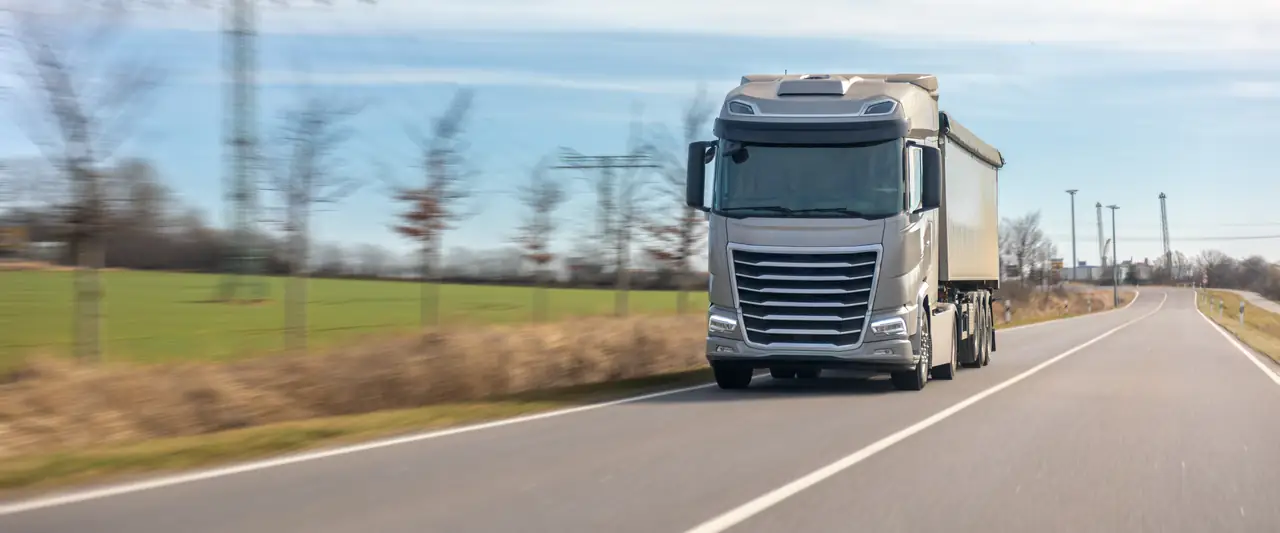
Industrial & Agricultural Vehicles
Lorries, vans, tractor units, trailers and farm vehicles owned by your business, insured according to what each one actually does.
Who this insurance is for
Businesses that work with vehicles
Hauliers, distributors, builders, farms or workshops for whom the lorry, van or trailer is a working tool, not a company car.
Vehicles that aren't a car
A tractor unit, a semi-trailer or a farm vehicle each have their own weight, use and risks. The policy has to start from the vehicle's registration document and the work it actually does.
A well-organised fleet
We help you decide what goes on an individual policy, what goes on a fleet policy, what goes on the farm machinery policy and what goes on the goods-in-transit policy, so there are no gaps and no cover paid for twice.
What's covered and what's worth considering
The specific covers and their limits depend on the insurer and the option you take out. At Retuerto y Asociados we put them in writing before you decide.
Compulsory and voluntary third-party liability
The compulsory cover meets damage to third parties while driving, on the terms set by law. Voluntary cover raises the limits when the vehicle's size or the activity warrants it.
Own damage
Depending on the option, damage suffered by the vehicle itself through an accident, fire or rollover, with or without an excess. Ask how the vehicle is valued in the event of a total loss.
Trailers and semi-trailers
Light trailers are usually covered by the policy of the vehicle towing them; above a certain weight they need their own policy. We check this against the vehicle's registration document.
Vehicle off the road
Some policies, such as fleet policies, include compensation for the vehicle being off the road. Ask whether yours includes it, from which day it's paid, at what daily rate and for how long.
Roadside assistance
Towing and help in the event of a breakdown or accident. Check that the service is set up for the weight and dimensions of the vehicle, because moving a heavy vehicle is not the same as moving a car.
The goods you carry
Check whether the vehicle policy says anything about the load. If not, goods-in-transit insurance covers goods carried, whether on your own account or on behalf of others.
How it works
Every motor vehicle needs compulsory insurance to be driven, and from there each policy is built around its use. A lorry making daily deliveries around the island, a tractor unit leaving the port with semi-trailers belonging to different clients, and a farm vehicle moving from field to field all carry very different risks, even though all three are "company vehicles".
That's why the first thing we do is take an inventory: type of vehicle, weight, use, who drives it, what it carries and where it travels. From that we decide which policy each one fits into, and that's where this page connects with the others.
If you have a number of similar vehicles, a fleet policy is usually the answer: everything under one contract, with unified terms and renewal and streamlined management of additions and removals. The minimum number is usually around ten vehicles, though it varies by insurer, and it's worth confirming that it accepts lorries and tractor units as well as cars, motorbikes or vans.
If the vehicle is a tractor or a piece of farm machinery, it belongs under tractor and farm machinery insurance. Its key point is third-party liability for agricultural work: the compulsory cover deals with what happens while driving, and the work cover deals with what happens while working. For crops and livestock, on the other hand, there's agricultural insurance.
If your main concern is the load, the answer is goods-in-transit insurance, which covers the goods carried and the means used to carry them, by land, sea or air. And if you only have a few industrial vehicles, or one with a very particular use, it makes sense to take out an individual policy for each one, tailored to what it does: that's the situation this page is for.
What's worth knowing
Compulsory third-party liability doesn't cover damage to your own vehicle or to the load. If the lorry is essential to your turnover, what usually hurts after an accident isn't the damage to the third party, but the repair to your own vehicle and the days lost off the road.
The driver isn't fully protected by the vehicle policy either: cover is provided on the terms taken out, and protection for staff runs through separate policies, such as accident insurance or employers' liability.
What to consider before taking out a policy
Ask for the third-party liability limits, the excess on own damage, whether there's compensation for the vehicle being off the road and on what terms, what breakdown assistance for heavy vehicles includes, and what happens with trailers, to be put in writing. And if you move vehicles between islands, ask how the policy treats ferry crossings and the load while it's being loaded.
Frequently asked questions
Is a fleet policy or a per-vehicle policy better for me?
It depends on the number and type of vehicles. A fleet policy usually asks for a minimum of around ten vehicles, which varies by insurer, and it simplifies management. With few vehicles, or with very different vehicles, a policy for each one usually fits better. We'll compare both against your actual fleet.
Does the farm's tractor go on this policy?
The tractor and farm machinery have their own insurance, with third-party liability for agricultural work that not all policies include. We coordinate it with your other vehicles from here so that renewals and limits line up, but the policy itself is the tractor and farm machinery one.
Does the lorry's insurance cover the goods it carries?
Don't assume it: the vehicle policy focuses on the vehicle and on damage to third parties. For the load, there's goods-in-transit insurance, which can cover both the goods carried and the vehicles that carry them.
Do I need to insure the trailer or semi-trailer separately?
Light trailers are usually covered by the policy of the vehicle towing them; above a certain weight they need their own policy. We check this against each trailer's registration document before deciding.
Can I insure a vehicle whose ITV has expired?
A valid inspection (ITV, the Spanish MOT-equivalent test) is a condition for driving legally, and insurers usually require it to issue or renew a policy. If yours has expired, sort that out first and we'll deal with the insurance straight after.
What happens if the lorry is off the road after an accident?
If the policy includes compensation for the vehicle being off the road, you'll be paid whatever the contract sets for the days it's out of service, within its limits. If it doesn't include it, those days are at your own expense. That's why it's one of the first points we check.
Related articles
Lorry & Industrial Vehicle Insurance
What's worth covering beyond the compulsory minimum: own damage, load, trailer, downtime and driver.
Read
Tractors on Public Roads: Insurance & ITV
Compulsory insurance, ITV and the difference between damage caused while driving and while working.
Read
Mixed Fleets: Vans, Lorries & Plant
Vans, lorries and machinery in the same business: which policy each one needs and how to manage them.
ReadWhat an Insurance Broker Really Is
The broker is the expert who mediates between the insurance company and the client, representing the insured party and their interests, rather than the insurer alone.
We are the only professionals legally qualified and authorised to advise with strict independence and impartiality from insurance companies.
- We compare the marketAdvice based on an objective analysis of contracts from a sufficient number of insurers.
- It costs you nothingThe broker is paid by the insurer in the form of commission. As a rule, the service costs the client nothing.
- We handle everythingFrom taking out the policy to the claim, if one arises.
- We defend your interestsWith the insurer, in the same way a lawyer would.
Other business insurance
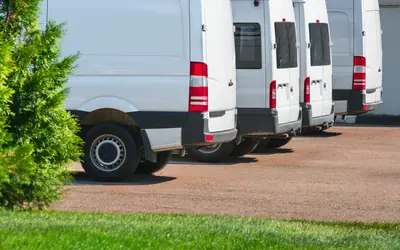
Vehicle Fleet
All of the business's vehicles on a single policy, with unified terms and renewal.
View insurance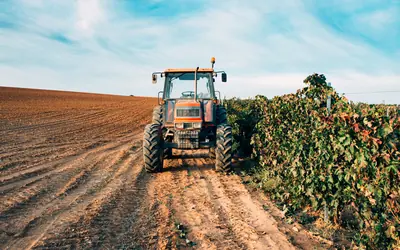
Tractor & Farm Machinery
The compulsory insurance for driving, plus third-party liability for agricultural work that not all policies include.
View insurance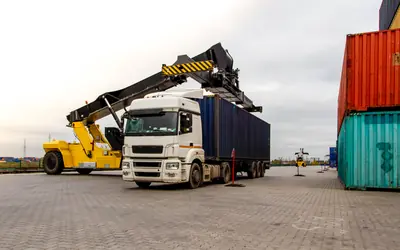
Goods in Transit
Damage insurance for the goods carried and the vehicles that carry them.
View insurance
Agricultural
Cover for the risks affecting farms, livestock holdings or forestry operations.
View insurance
Accident
Workplace accidents and the cover made compulsory by collective agreement for staff.
View insurance
Third-Party Liability
General, employers', product and completed-works liability, tailored to your sector and turnover.
View insuranceWhat people tend to believe, and what really happens
Five ideas we hear often that turn out to be costly the day there's a claim.
"Going it alone works out cheaper."
The broker costs you nothing: the insurer pays them. And a broker compares several insurers at once, which you would otherwise have to approach one by one.
"All policies are the same."
Two policies at the same price can have very different limits, excesses and exclusions. What matters is what the terms say on the day of the claim.
"The broker works for the insurer."
The broker represents the insured party and their interests. It's the agent who represents the insurance company, and that's a different role entirely.
"If I have a claim, I'll sort it out myself."
How the accident report is opened and documented shapes the whole process that follows. We handle that for you, and the claim too.
"Switching insurance is a hassle."
We handle it for you, including cancelling the previous policy in time so it doesn't renew itself.
"The compulsory insurance is enough for me."
The legal minimum covers what you cause to others, not what happens to you. That's the difference between a scare and a real problem.
Shall we prepare an industrial and agricultural vehicle quote for you?
Tell us about your situation and we'll send you a comparison of the best options on the market, the best backing for making the right decision.
- No obligationWe give you the price and the cover; you decide.
- No costAs brokers we're paid by the insurer, not by you.
- Fast responseDuring office hours, usually the same day.
What questions do you have?
We'll get back to you with an industrial and agricultural vehicle quote and a tailored comparison.
Can’t see the form? Open it in a new window.
Prefer to talk? Call us on 922 235 203 or message us on WhatsApp at 667 420 381.